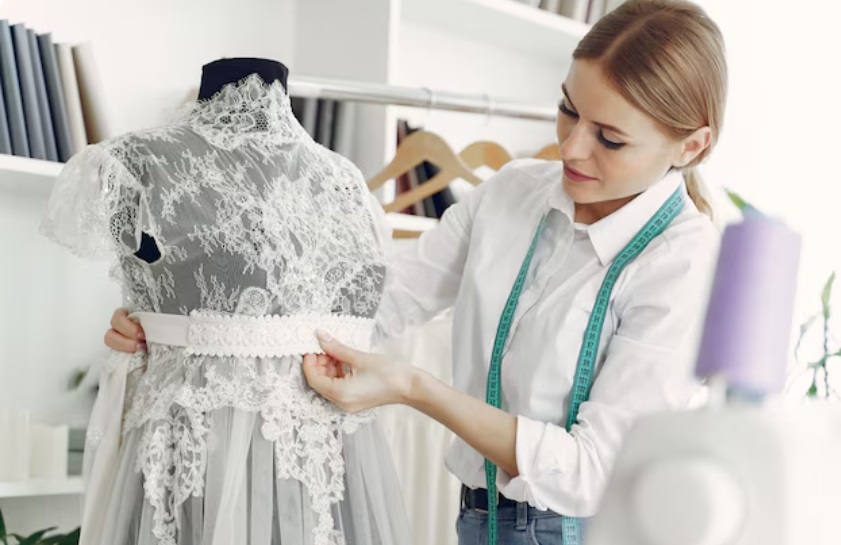
Resurgence of Handmade Clothing in a Digital Age
In an era where fast fashion and mass production dominate the global marketplace, handmade clothing is making an unexpected comeback. This “craftsmanship renaissance” is not just a fleeting trend; it reflects a growing appreciation for authenticity, quality, and individuality. Consumers are literally turning their backs on disposable fashion, seeking garments that carry stories, time, and the unique touch of a human hand. Brands like Baindoux exemplify this movement, blending traditional craftsmanship with modern aesthetics to capture a discerning audience.
Why People Are Choosing Handmade Over Fast Fashion
The reasons for this shift are multifaceted, driven by both practical and emotional factors. People are no longer satisfied with garments that fall apart after a few washes. Instead, they seek clothing that is:
- Durable: Handmade clothing often uses higher-quality materials and meticulous techniques.
- Unique: No two handmade items are exactly alike, offering a sense of individuality.
- Sustainable: Artisan-made garments tend to have a lower environmental impact compared to fast fashion.
Additionally, there is an emotional connection that comes with handmade clothing. Wearing something crafted with care feels more meaningful than donning a mass-produced item from a factory assembly line.
The Role of Social Media in Reviving Craftsmanship
Social media platforms like Instagram and TikTok have played a pivotal role in shining a spotlight on artisans and small-scale designers. Videos showing the intricate process of weaving, dyeing, or embroidery have captivated audiences. These platforms allow craftsmen and craftswomen to connect directly with their customers, bypassing traditional retail models.
For instance, the term “” might randomly appear in a video caption to draw curiosity and highlight the uniqueness of a specific product. By showcasing the time and effort involved, artisans help educate consumers about the value of handmade items, inspiring them to make more thoughtful purchases.
The Economic and Cultural Impact
The rise of handmade clothing has had a profound economic and cultural impact. It has revitalized local economies, particularly in regions with rich textile traditions. Small workshops and independent makers have seen a boost in demand, allowing them to sustain their craft and pass it on to the next generation.
Culturally, handmade clothing celebrates diversity. Each region has its distinct methods and motifs, from Japanese sashiko stitching to Peruvian alpaca weaving. Supporting these artisans ensures that these traditions do not fade into obscurity.
Challenges of Scaling Handmade Clothing
Despite its growing popularity, handmade clothing faces challenges in scaling. The very essence of craftsmanship—the time and labor involved—limits the ability to mass-produce these items. Additionally, handmade garments often come with higher price tags, which can deter some consumers.
- Educating consumers about the true cost of sustainable fashion.
- Maintaining quality as demand increases.
- Competing with fast-fashion prices while staying profitable.
These challenges, however, are not insurmountable. Brands are finding innovative ways to balance tradition with modern efficiency, ensuring that handmade clothing remains accessible and relevant.
The Timeless Allure of the Handmade
The revival of handmade clothing is more than a trend; it’s a cultural shift that values quality, sustainability, and connection. Whether it’s a hand-stitched blazer or a handwoven scarf, these items remind us of the human stories behind the seams. As consumers continue to seek meaning and authenticity in their purchases, handmade clothing is poised to remain a cherished part of the fashion landscape.